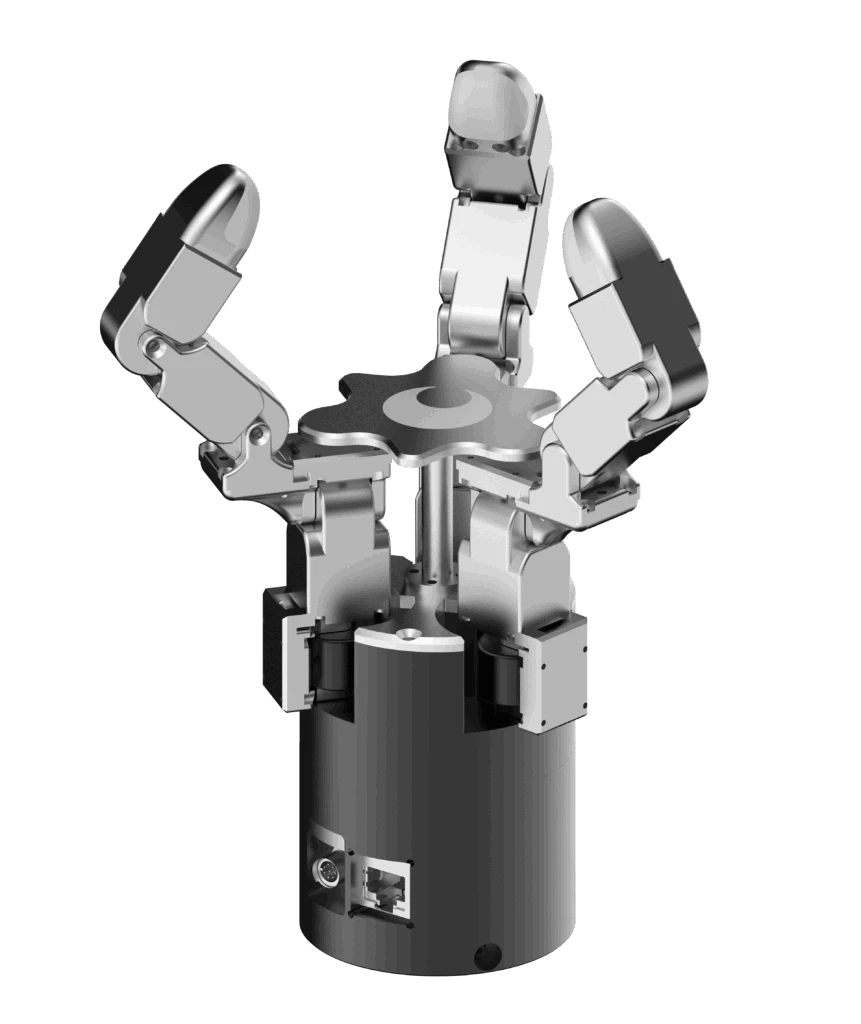

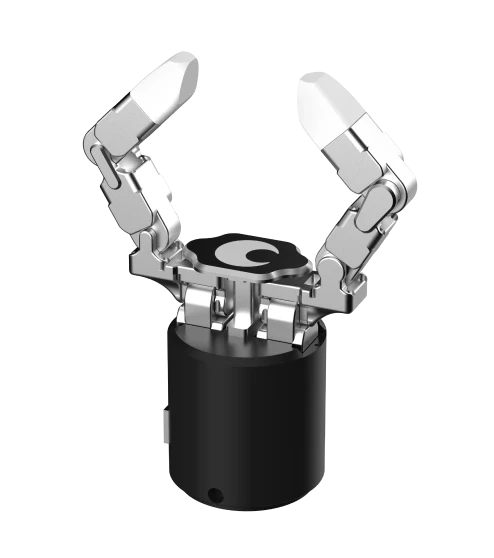
DG-2F
Two-finger gripper
This model is designed for relatively simple yet highly advanced gripping tasks, and can stably grasp up to 4 kg using a pinching mechanism.

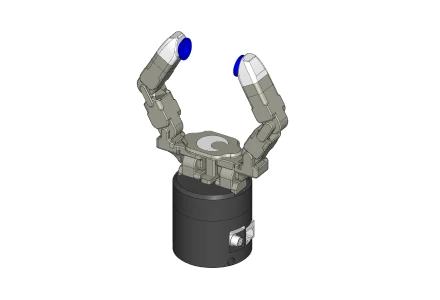
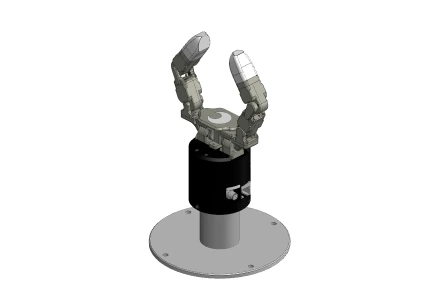
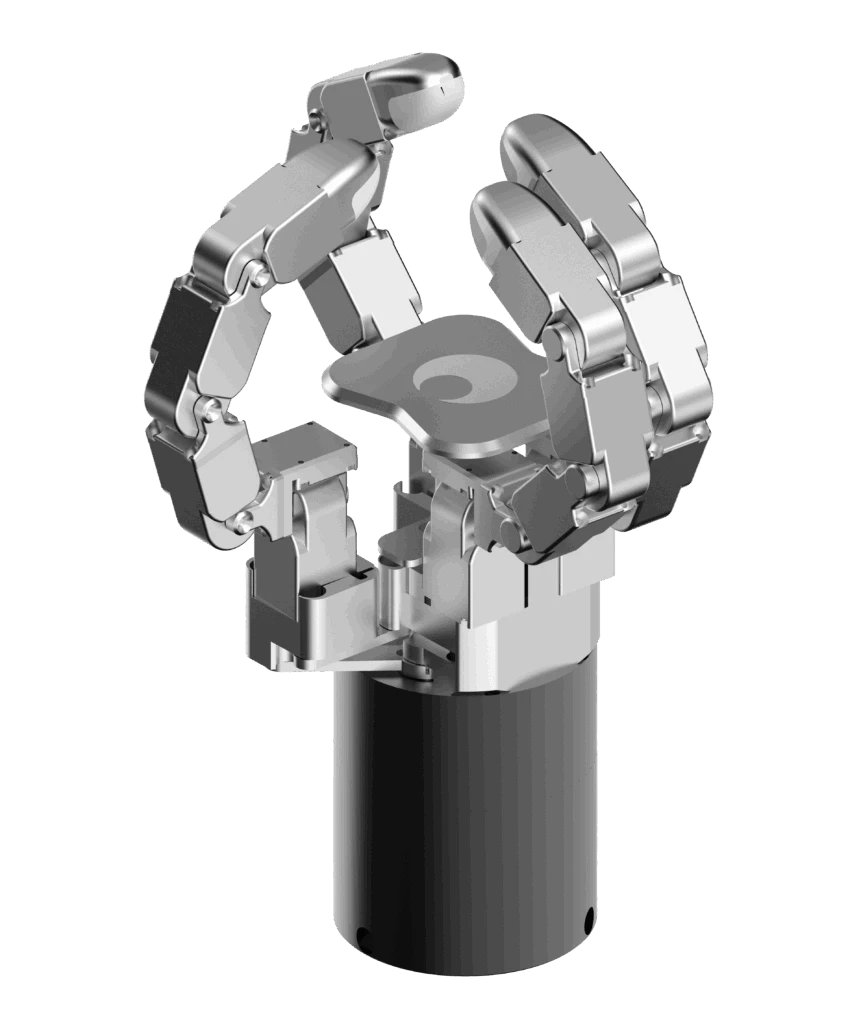
A multi-joint, two-finger gripper that precisely grasps a variety of objects.
This model is designed for relatively simple yet highly advanced gripping tasks, and can stably grasp up to 4 kg using a pinching mechanism.
With a 6-degree-of-freedom (6 DoF) structure, it accommodates a wide range of object shapes and is well-suited for industrial environments.
Precision Gripping Performance
Supports both pinching and enveloping gripping methods, enabling stable handling of objects from small components to medium-sized workpieces. It precisely controls objects up to 4 kg with the pinching method, maintaining consistent performance even during highly repetitive tasks.
Flexible Motion with 6 Degrees of Freedom
Each finger features 3 degrees of freedom (6 DoF in total), actively adapting to various object shapes. It demonstrates excellent adaptability for gripping in narrow spaces or handling irregular objects.
Optimized for Industrial Environments
Designed with BLDC motors and absolute encoders for durability and reliable operation, making it suitable for high-reliability applications such as manufacturing, logistics, assembly, and inspection.
Modular Communication & Control Compatibility
Supports Modbus (RTU, TCP) and Ethernet (TCP/IP) protocols, allowing easy integration with various industrial robots and control systems.
Optional Expandability
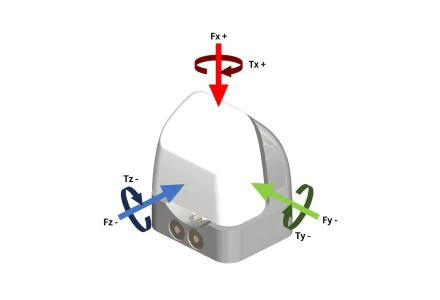
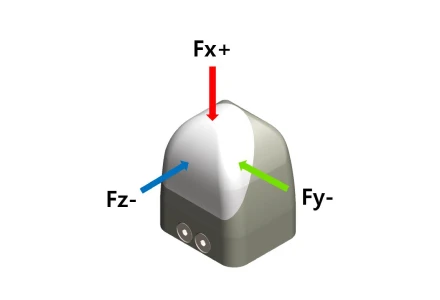
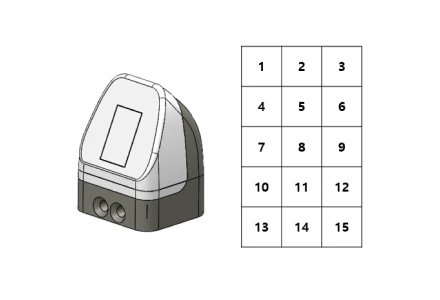
F/T sensors can be attached to each fingertip for force-feedback-based control, enabling use in precision assembly processes.
Envelop Grip (Rated / Max): 5 / 10 kg